

Introduction
One vital body part that is frequently neglected when it comes to personal hygiene is the ear. In particular, ear wax—a naturally occurring substance that is surprisingly significant for the general health of your ears. Although ear wax accumulation is a natural defense mechanism, if it is not controlled, it can lead to discomfort, transient hearing loss, and even infection. In this guide from Thriftcare Pharmacy, we’ll explore what causes ear wax, why you shouldn’t panic about it, and the most effective home remedies and tools to remove it safely. Everything is covered in this blog, whether you’re looking for an effective ear wax remover or looking safe ear cleaning techniques.
What Is Ear Wax?
The sticky, waxy material known as ear wax, or cerumen in medical terminology, is secreted by glands in the ear canal. Although many people consider it to be “dirt,” it serves as a protective agent. It keeps dust, germs, and other dangerous substances from entering deeper into the ear.
Functions of Ear Wax:
- Lubricates and shields the ear canal.
- Prevents infections by trapping bacteria.
- Acts as a natural barrier against debris and moisture.
There are 2 types of ear wax: wet (yellowish-brown) and dry (light and flaky), determined by genetics.
What Causes Excess Ear Wax?
Since the body regulates itself, most people never need to clean their ears. However, the following factors can lead to excessive ear wax:
- Overproduction of Cerumen: Particularly in reaction to irritation or frequent cleaning, some people naturally produce more wax than others.
- Use of Cotton Swabs: Ironically, ear wax is frequently pushed deeper and compacted instead of removing when using cotton swabs to clean your ears.
- Wearing Earbuds or Hearing Aids: These devices cause accumulation by obstructing the ear wax’s natural outflow.
- Narrow or Curved Ear Canals: Blockages may occur more frequently in people with smaller ear canals.
- Skin Conditions or Infections: Eczema or dermatitis can increase ear wax production.
Is Ear Wax Harmful? When to Be Concerned
As a natural lubricant and protector for the ear canal, ear wax is usually safe unless it accumulates and obstructs the ear, resulting in pain or hearing loss. Although the body naturally sheds earwax and it doesn’t need to be removed, an excessive accumulation can be problematic. It’s crucial to get in touch with a healthcare provider if you suffer from symptoms like pain, drainage, or hearing loss, particularly if you’ve attempted to remove the wax yourself.
When to be concerned:
Ear wax itself is not harmful, but buildup can lead to:
- Ear blocked with wax
- Temporary hearing loss
- Tinnitus (ringing in ears)
- Itchiness, pain or discomfort
- Dizziness (Vertigo) or earache
- Ear bleeding.
Top Home Remedies to Remove Ear Wax Safely
Ear wax can be safely removed at home by softening it with oil (such as baby or olive oil) and then washing it off with warm water. To aid in the removal of the wax, you can also apply drops of diluted hydrogen peroxide. It’s advisable to speak with a healthcare provider if none of these approaches work or if you experience any troubling symptoms.
When done correctly, at-home ear cleaning can be safe and effective. The most effective natural home remedies for removing ear wax are as follows:
- Warm Water Irrigation (Ear Wash): Gently flushing the ear with warm water is one of the easiest and safest techniques. If you have a history of ear infections or a perforated eardrum, stay away from this method.
- Olive Oil or Mineral Oil Drops: These oils facilitate the natural drainage of hardened ear wax by softening it. For a few days, do this once or twice a day.
- Hydrogen Peroxide Solution: Ear wax can be broken down and disinfected with diluted hydrogen peroxide.
- Baking Soda and Water Drops: Ear wax that is difficult to remove can be removed with a simple solution of baking soda and water.
- Over-the-Counter Ear Cleaning Solutions: Thriftcare Pharmacy provides safe and effective ear cleaning solutions that are recommended by pharmacists.
Check for:
- Carbamide peroxide drops
- Herbal oil-based formulas
- Ear wash kits with syringes
Tools for At-Home Ear Cleaning
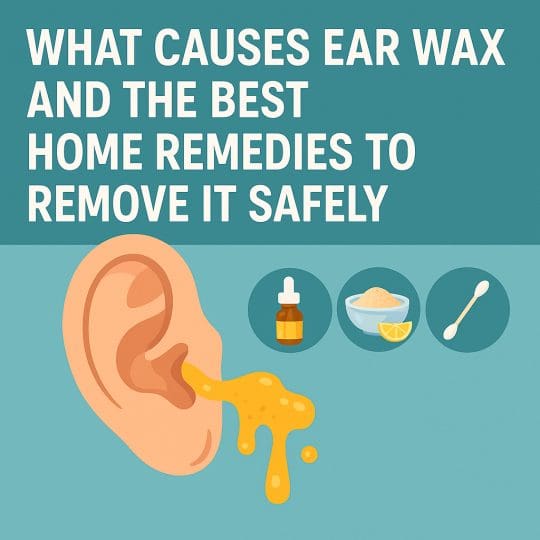
Selecting safe, efficient tools made especially for ear cleaning is essential when dealing with excess ear wax. Inappropriate tools, such as hairpins or cotton swabs, can cause damage to the sensitive inner ear or push the wax deeper. Fortunately, there are now a number of gentle and user-friendly at-home ear wax removal tools available.
Here are the most commonly recommended safe tools:
- Ear Wax Cleaner Kits: These all-in-one kits are intended for use at home and usually come with ear drops, irrigation syringes, and soft-tipped applicators. They are safe and alternative option to cotton swabs. The benefits of using these kits include,
- Specifically designed for ear canal shape and size.
- Wax-dissolving solutions are also included.
- Reduces the possibility of pushing wax deeper.
How to Use:
- To soften the hard ear wax, apply the ear drops as directed
- Bulb syringe is used to flush the ear with warm water gently.
- Use the clean towel to dry the outer-ear carefully.
At Thriftcare Pharmacy, look for ear wax cleaning kits that are marked as doctor-recommended and medical-grade.
- Ear Wax Vacuum Devices: These tiny, battery-powered tools gently remove ear wax from the ear canal using low-level suction. The key benefits are,
- Painless and non-invasive
- Gentle suction that doesn’t harm the ear drum
- Suitable for sensitive users and children.
Caution: Use only ear health-certified devices. Avoid using any product that hurts or feels uncomfortable.
- Ear Cleaning Bulbs: The majority of ear wash kits come with this tool. After applying softening drops, the ear is rinsed out using a soft rubber bulb syringe.
How to Use: After filling the bulb with lukewarm water, tilt your head and gently spray the ear canal with water. Let the water and wax to drain naturally. Avoid using hot or cold water as this may make you feel dizziness.
- Ear Wax Suction Devices (Manual or Electric): These are made for at-home use and are similar to the tools used by professionals to clean ears. Safety stops and replaceable silicone tips are frequently included. Check out for the following features,
- Adjustable suction settings).
- Built-in camera for safe navigation (optional).
- Replaceable and soft tips.
Always adhere to the manufacturer’s guidelines. If you experience pain or resistance, stop right away and get medical help.
- Endoscope Ear Cleaners (Advanced Option): With the help of these recent devices, which have an LED light and a tiny camera, you can see inside your ear using a smartphone. To prevent injury, these should only be used with appropriate training and extreme caution.
Who Should Use Them:
- People who experience frequent blockages
- Caregivers or parents helping children
- Individuals who want a visual confirmation of cleanliness
Earwax removal at home can be safe and efficient if you have the right equipment and follow the right procedure. Ear wax vacuums, irrigation kits, and softening drops are the high-quality, pharmacist-approved ear cleaning products available at Thriftcare Pharmacy. If you have persistent symptoms or have questions about a tool, always get advice from a healthcare professional.
When to Seek Professional Ear Cleaning
Home remedies aren’t always sufficient. A professional ear cleaning may be necessary if:
- You have chronic blockages
- There’s pain, bleeding or discharge.
- Significantly reduced hearing.
- Home treatments aren’t effective.
Professional options include:
- Ear wax suction
- Micro suction
- Curation by a doctor who cleans the ears
Visit Thriftcare Pharmacy for referrals. Or check for for “ear cleaning near me”.
How to Prevent Excess Ear Wax
- Don’t insert objects into ears or over-clean ears.
- If exposed to water or dust, use protective earplugs
- Clean earbuds and hearing aids regularly.
- Avoid using cotton swabs (Q-tips), ear candling, hair pins, keys and sharp objects to reduce the risk of damage and injury.
- Consider ear wash once a month with safe techniques.
Call To Action:
Ear wax is a protective, natural substance—but too much can be issue. You can control buildup without risk of damage if you take the right precautions, such as using Thriftcare Pharmacy’s safe ear cleaning products and techniques. We are here to help you stay healthy and hear clearly, from earwax removal drops to expert recommendations. Visit Thriftcare Pharmacy today for ear cleaning solutions, expert tips for safer self-care and to explore our full range of ear wax cleaners.